Writing09
Articles
The Job You Were Hired For No Longer Exists
Figma's 2025 research tracked 48 tasks product teams actually own now. The list includes SEO, ad creation, and lead gen funnels. 70% of product development professionals regularly do work outside their core discipline.
Your Design System Is About to Become Your Most Important AI Product
Design systems in 2026 aren't static libraries anymore. They're becoming self-monitoring, self-correcting ecosystems. Here's what that actually looks like in practice.
The Best AI Collaborators Are Domain Experts First and AI Delegators Second
Problem awareness, not prompt engineering, is the real skill that separates people who get results from AI from people who get polished nonsense.

Designing for AI Is Nothing Like Designing for SaaS
Three principles that break down once your system stops being deterministic. Trust, error states, and onboarding all work differently when the underlying technology is probabilistic.

Designing With Figma Make Requires More Discipline, Not Less
Teams using Figma Make are producing more UI than ever and spending more time fixing it. The tool isn't the problem. It's a mirror, and it's exposing the absence of design discipline that was always there.
Chennai One: How Tamil Nadu's Vision and Design Leadership Set the Standard for Public Transport in India
India's first fully integrated transit app, Chennai One, lets commuters plan, book, and pay across metro, buses, trains, and autorickshaws in a single interface. Here's what makes it a design-led governance milestone.

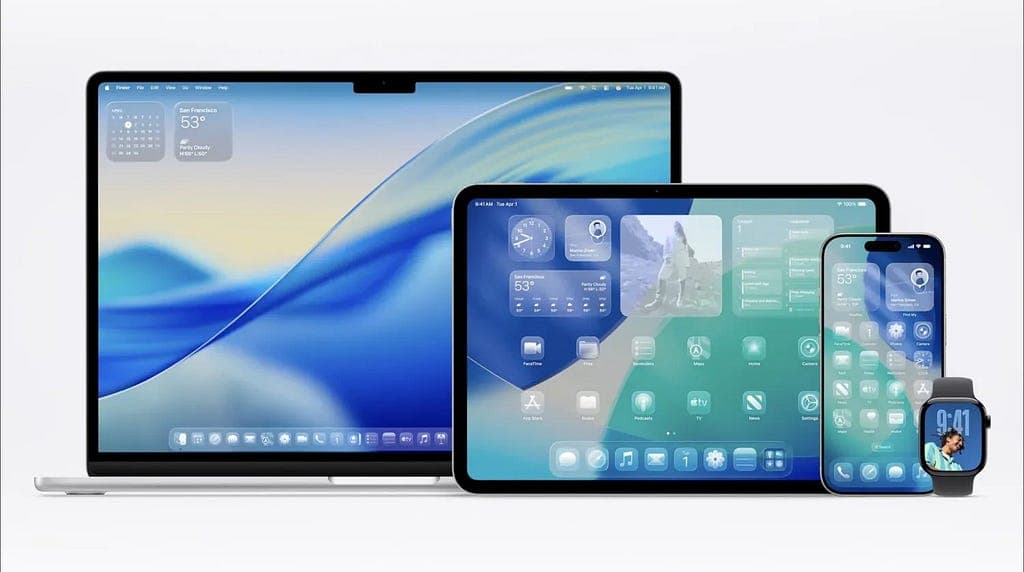
Apple's Liquid Glass Design in iOS 26: Innovation at the Cost of Accessibility?
Apple's Liquid Glass design language in iOS 26 is visually stunning. But does it trade usability and accessibility for aesthetic novelty? A critical look at what this shift means for the 15% of users who rely on clear, predictable interfaces.
The Stingray Model: Reimagining Innovation in the AI Era
The Stingray Model integrates AI into the core of design workflows, not as a tool, but as a new operating system. Faster ideation, smarter validation, and measurable outcomes without sacrificing creativity or quality.
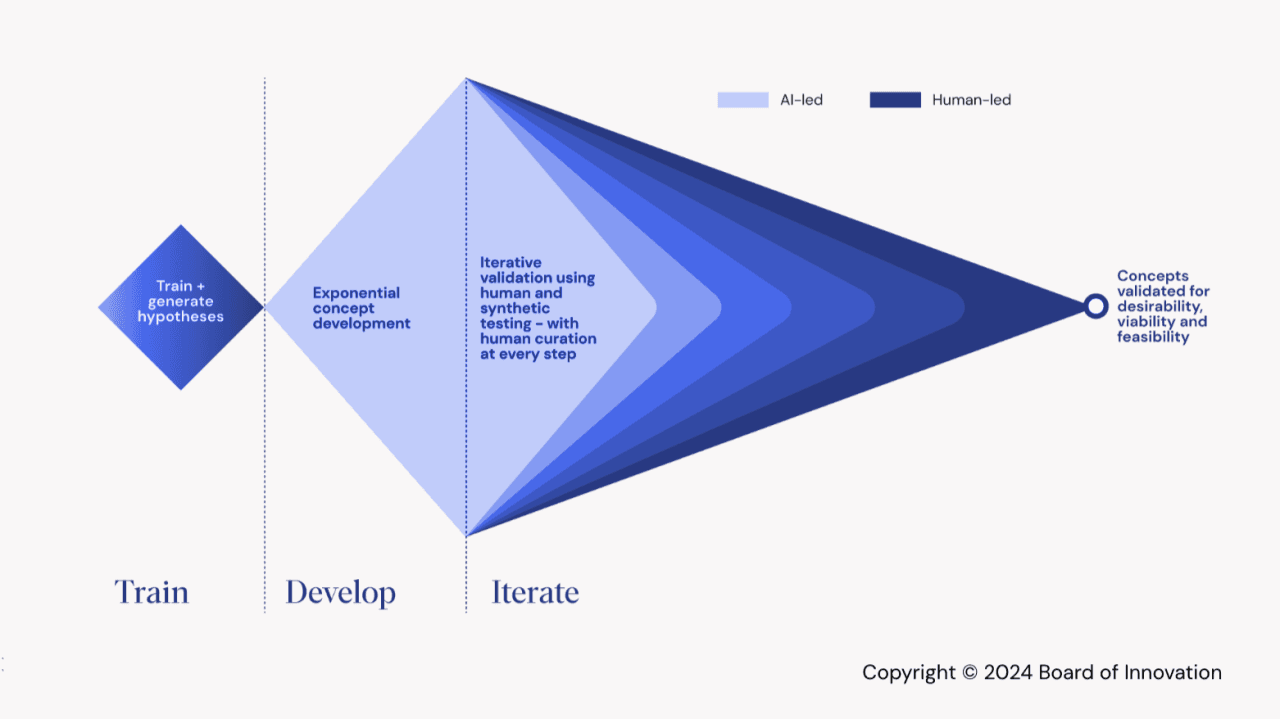
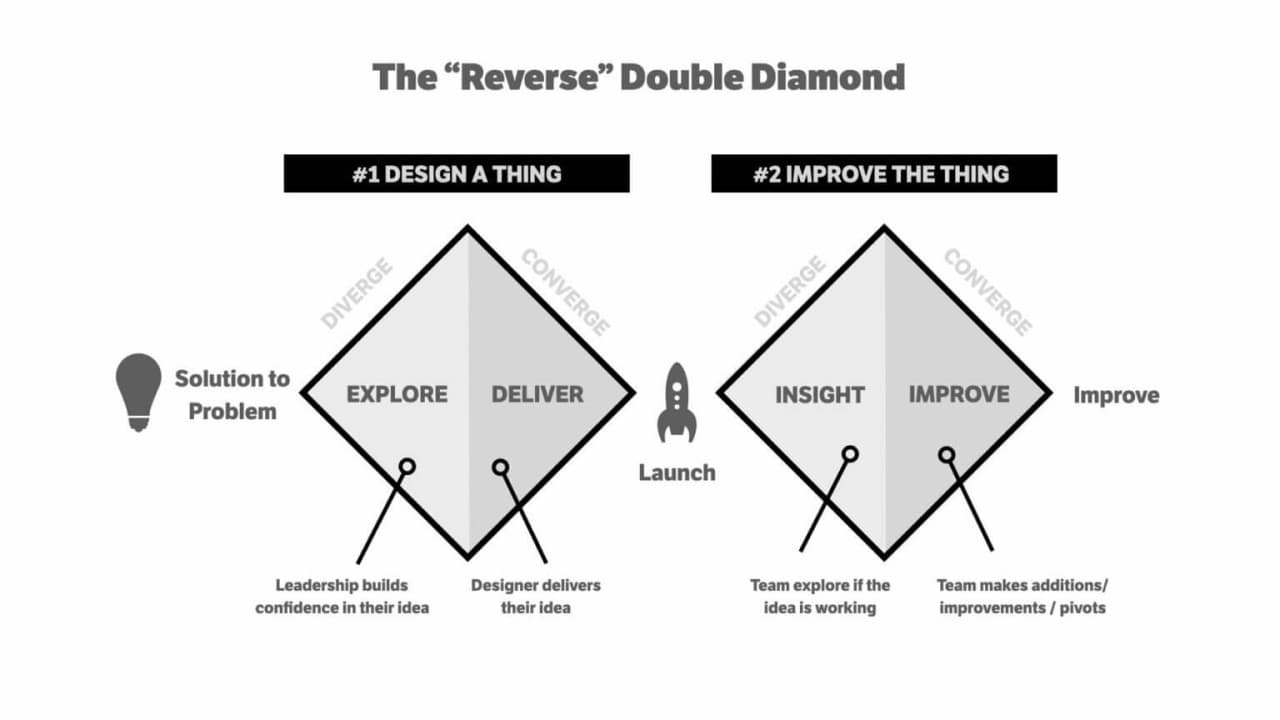
Reverse Double Diamond Approach: Prototyping in the Age of AI
The traditional Double Diamond can feel slow in a world where AI lets you prototype in hours. The reversed model flips the sequence (prototype first, refine later) and it's changing how product teams learn and design.